Your Guide to Smart Home Ecosystems: Apple HomeKit, Google Home, Amazon Alexa, and Samsung SmartThings
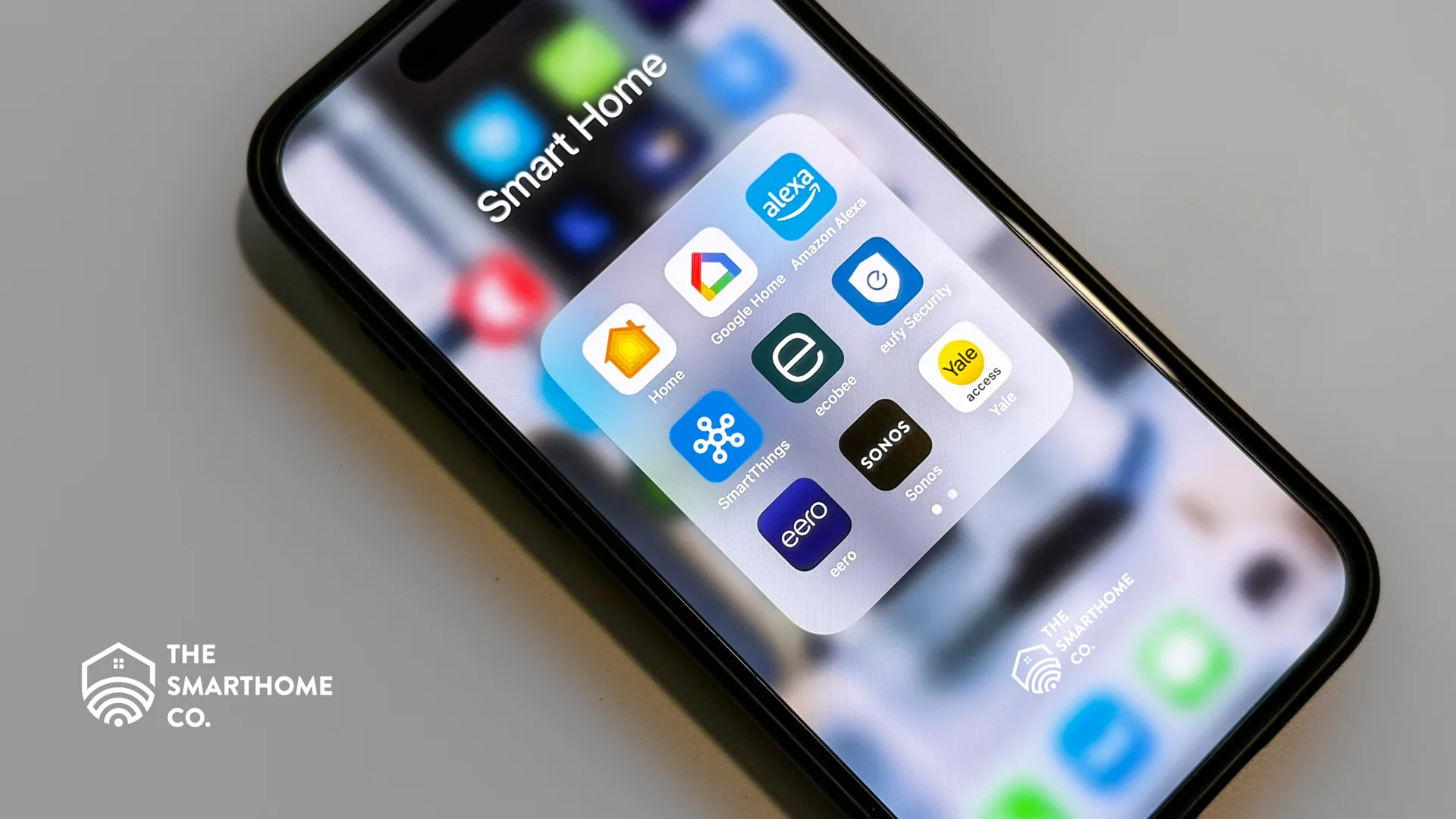
The world of smart home technology has seen rapid growth, with several major players offering robust ecosystems. Apple HomeKit, Google Home, Amazon Alexa, and Samsung SmartThings are four of the leading platforms, each bringing unique benefits to the table. In this blog post, we'll explore the benefits, similarities, and differences between these smart home ecosystems.
Benefits of Each Ecosystem

Apple HomeKit
1. Privacy and Security: Apple Home provides account and accessory security protections. Review the current privacy settings, sharing permissions, and requirements for the products and services you use; no platform removes every security risk.
2. Seamless Integration with iOS: HomeKit integrates seamlessly with iOS devices, allowing users to control their smart home devices directly from their iPhone, iPad, or Apple Watch.
3. Siri Integration: Apple's voice assistant, Siri, can control HomeKit-enabled devices, providing hands-free convenience.
4. Automation: The Home app on iOS offers powerful automation capabilities, allowing users to set up complex routines and triggers.
Google Home
1. Google Assistant: Google Home leverages the powerful Google Assistant, known for its robust natural language processing and wide range of capabilities.
2. Integration with Google Services: Supported Google Home features can work with selected Google services. Availability depends on the device, account, region, permissions, and current software.
3. Wide Device Compatibility: Google Home supports a wide range of smart home devices, offering flexibility in building a smart home ecosystem.
4. Affordable Hardware Options: Google offers a variety of affordable hardware options, such as the Google Nest Mini and Nest Hub, making it accessible to a wide audience.

Amazon Alexa
1. Alexa Skills: Amazon Alexa boasts a vast library of "skills," which are essentially apps that extend its functionality. This allows users to customize their Alexa experience.
2. Wide Device Compatibility: Alexa is compatible with a vast array of smart home devices, giving users flexibility in their smart home setups.
3. Echo Devices: Amazon offers a wide range of Echo devices, from the compact Echo Dot to the Echo Show with a built-in display, catering to different user needs.
4. Routine and Automation: Alexa offers robust automation capabilities, allowing users to set up routines that can trigger multiple actions with a single command.

Samsung SmartThings
1. Connection Options: SmartThings supports cloud-connected devices and devices that connect through a compatible hub. The required hub, radios, and software depend on the products selected.
2. Wide Compatibility: SmartThings supports a range of devices through compatible integrations. Zigbee, Z-Wave, Matter, and other local-device requirements vary by hub; not every hub includes every radio.
3. Custom Automation: The SmartThings app provides powerful automation capabilities, allowing users to create custom automations and scenarios.
4. Integration with Samsung Devices: SmartThings integrates seamlessly with other Samsung devices, such as smart TVs and appliances, enhancing the overall smart home experience.
Similarities
1. Voice Control: All four ecosystems offer voice control capabilities through their respective voice assistants—Siri for HomeKit, Google Assistant for Google Home, Alexa for Amazon, and Bixby (optional) for SmartThings.
2. Device Compatibility: Each platform supports a wide range of smart home devices, including lights, thermostats, cameras, and more.
3. Automation and Routines: All platforms offer automation features, allowing users to set up routines and triggers to control multiple devices simultaneously.
4. Mobile App Control: Apple Home is designed for Apple devices. Google Home, Alexa, and SmartThings provide their own supported mobile apps; check the current operating-system requirements and available features.
Differences
Privacy and Security:
- Compare each platform’s privacy controls, data handling, account protections, sharing settings, and supported devices. The right choice depends on your requirements rather than a universal security ranking.
Integration with Ecosystems:
- HomeKit is deeply integrated with Apple's ecosystem, making it ideal for users heavily invested in Apple products. Google Home and Amazon Alexa integrate well with a broader range of devices and services. SmartThings integrates with compatible Samsung and partner devices; Zigbee and Z-Wave support depends on the chosen hub.
Voice Assistants:
- HomeKit uses Siri, which is tightly integrated with iOS devices. Google Home uses Google Assistant, known for its advanced AI capabilities. Amazon Alexa offers a vast library of skills for customization. SmartThings optionally uses Bixby but can also work with Alexa and Google Assistant.
Hardware Options:
- Compare the controllers, speakers, hubs, and accessories required for your chosen functions. SmartThings can support cloud-connected products without a separate hub, while compatible local devices may require one. Check hub and radio support before buying.
Conclusion
Choosing the right smart home ecosystem depends on your specific needs and preferences. Apple Home can be a natural fit for households using Apple devices, with privacy controls and supported accessories to review as part of the decision. Google Home provides powerful voice control and integration with Google services, while Amazon Alexa offers vast customization options through its extensive skills library. Samsung SmartThings excels in device compatibility and integration with Samsung products.
By understanding the benefits, similarities, and differences between these ecosystems, you can make an informed decision that best suits your smart home needs. Whether you prioritize privacy, device compatibility, or voice control capabilities, there's a smart home platform that's right for you.
Matter can broaden compatibility, but it does not make every feature available in every platform. Check the specific accessory, controller, software, and functions before choosing a system.
If you need help deciding which direction to take, please contact us or book a consultation today with The SmartHome Co.!
Further reading: Apple’s supported Matter accessories and setup requirements; SmartThings device connection types.