Understanding WiFi 4, 5, 6, and 7: Why Strong WiFi is Essential for Modern Homes
In today's fast-paced world, having a strong and reliable WiFi connection in your home isn't just a luxury—it's a necessity. Whether it’s for streaming your favorite shows, managing your smart home devices, or ensuring that your work-from-home setup runs smoothly, WiFi plays a pivotal role. But not all WiFi is created equal. Over the years, WiFi technology has evolved significantly, introducing new standards like WiFi 4, 5, 6, and WiFi 7. Here’s what you need to know about each and why upgrading might be essential for you.
What is WiFi 4?
WiFi 4, also known as 802.11n, supports 2.4 GHz and 5 GHz operation, depending on the equipment. Its use of multiple antennas helped improve wireless performance over earlier generations. Older equipment may still meet modest needs, but support, coverage, and capacity should be checked before expanding a network around it.
What is WiFi 5?
WiFi 5, or 802.11ac, improves capacity and potential throughput on the 5 GHz band. Its real-world performance depends on the access point, client device, channel width, signal conditions, and network behind it.
What is WiFi 6?
WiFi 6, or 802.11ax, adds tools such as OFDMA to use airtime more efficiently with compatible clients. It can be useful in busy homes with many connected devices, but the standard alone does not determine coverage or internet speed.
What is WiFi 7?
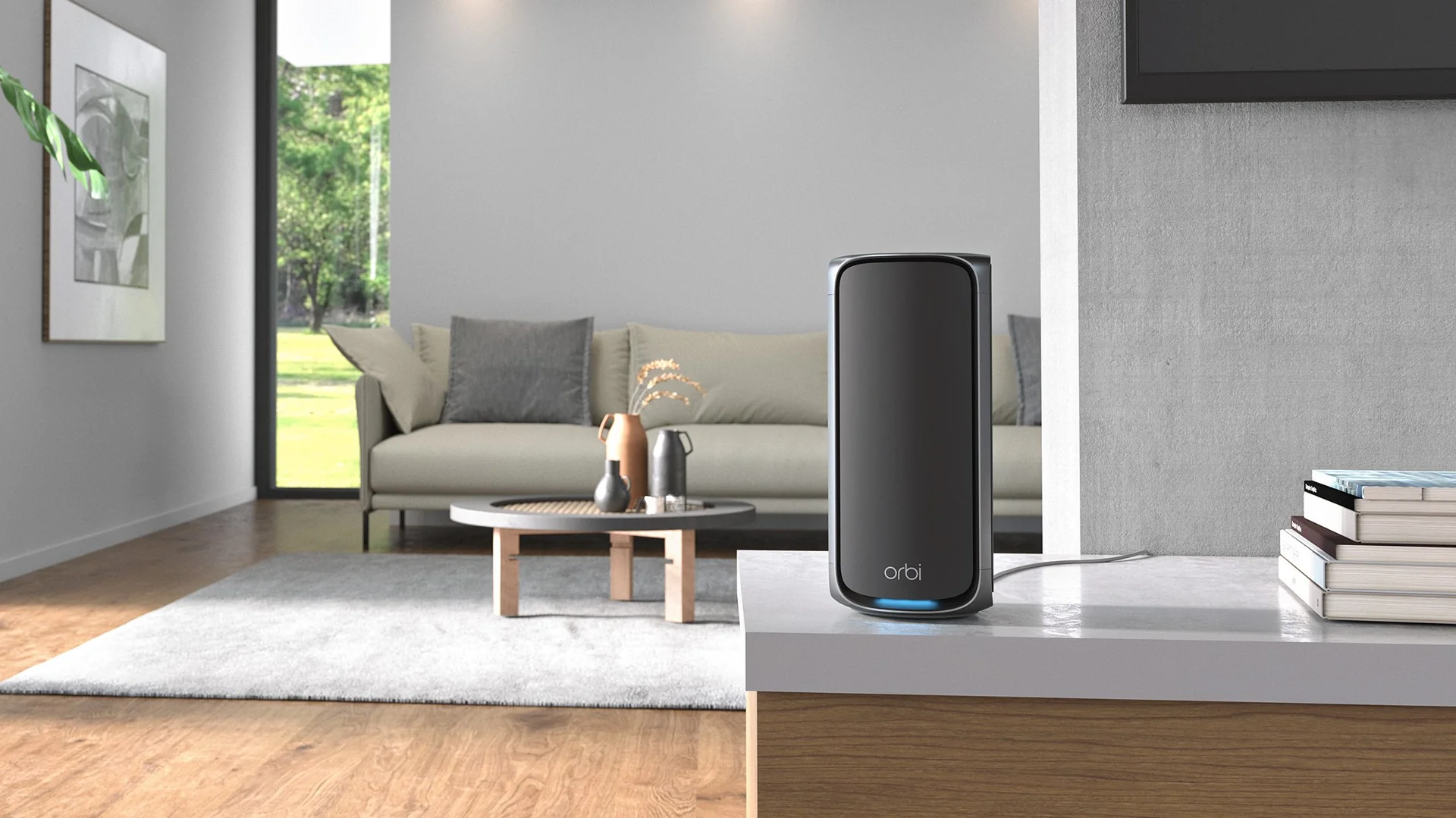
WiFi 7, or 802.11be, equipment is available. It can improve throughput and responsiveness with compatible devices, but results depend on coverage, interference, backhaul, network configuration, and the internet connection. Wi-Fi Alliance introduced Wi-Fi CERTIFIED 7 in January 2024.
Why Strong WiFi is Important in Modern Homes
A well-designed WiFi network helps connected devices communicate more consistently. Coverage is one part of that design, alongside capacity, wiring, configuration, and service availability.
Streaming and entertainment: Good coverage and capacity can reduce buffering and connection interruptions.
Smart-home management: Reliable connectivity helps supported devices receive commands and send updates.
Work and learning: Stable connections support video calls and online tools; internet and cloud-service availability also matter.
Coverage where you need it: Planned access-point placement can reduce weak-signal areas, with results checked in the actual space.
Upgrade Your Home WiFi with The SmartHome Co.
If you experience slow speeds or frequent disconnections, start by identifying the cause. The SmartHome Co. can evaluate coverage, device requirements, existing equipment, and wiring options before recommending a network upgrade.
Don’t settle for outdated technology. Book an appointment with The SmartHome Co. today and step into the future of fast, reliable home WiFi.
Understanding WiFi generations helps set realistic expectations, but newer hardware is only one part of the solution. Discuss your network project with us to identify an appropriate next step.